
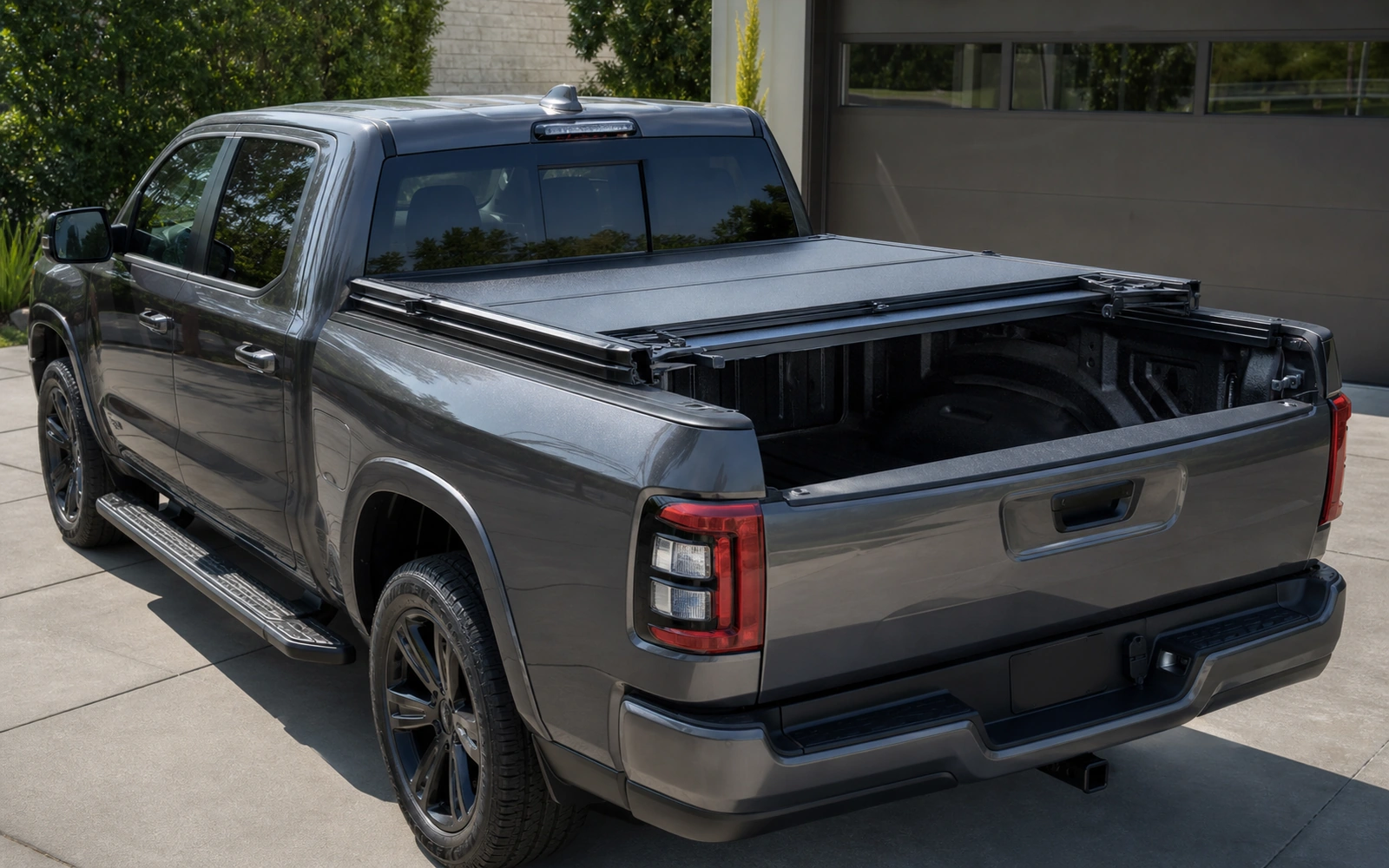
A hard-folding cover can be a practical everyday upgrade for a Toyota Tundra CrewMax, but only after the 5.5-foot bed, deck-rail system, and exact truck generation have been confirmed.
Fitment first
What to confirm before buying
Confirm that the truck is a Tundra with the 5.5-foot cargo bed, normally associated with the CrewMax cab, rather than the longer Double Cab bed. Then verify the cover part number for the exact model-year range and for the presence or absence of Toyota's Deck Rail System. A kit designed around the factory rail may use different brackets from one that clamps directly to the bedside flange. Do not assume the hardware is interchangeable. Inspect the front bulkhead, bed caps, rail tracks, and tailgate top for damage or aftermarket trim that could interrupt the seals. A thick drop-in liner may need localized trimming where clamps or drain tubes pass; a spray-in liner is usually less intrusive but can make measurements slightly tighter. Stake-pocket accessories may remain usable because the cover mounts inside the rails, yet headache racks, cross-bed toolboxes, sports racks, and bed extenders can conflict with folded panels or latches. Measure before combining accessories, and confirm that the upright cover will not contact rear-glass trim.
Product at a glance
| Vehicle | Toyota Tundra CrewMax |
|---|---|
| Bed | Nominal 5.5-foot bed |
| Cover type | Low-profile hard-folding tonneau |
| Primary check | Exact model year, bed length, and rail system |
How this accessory works in practice
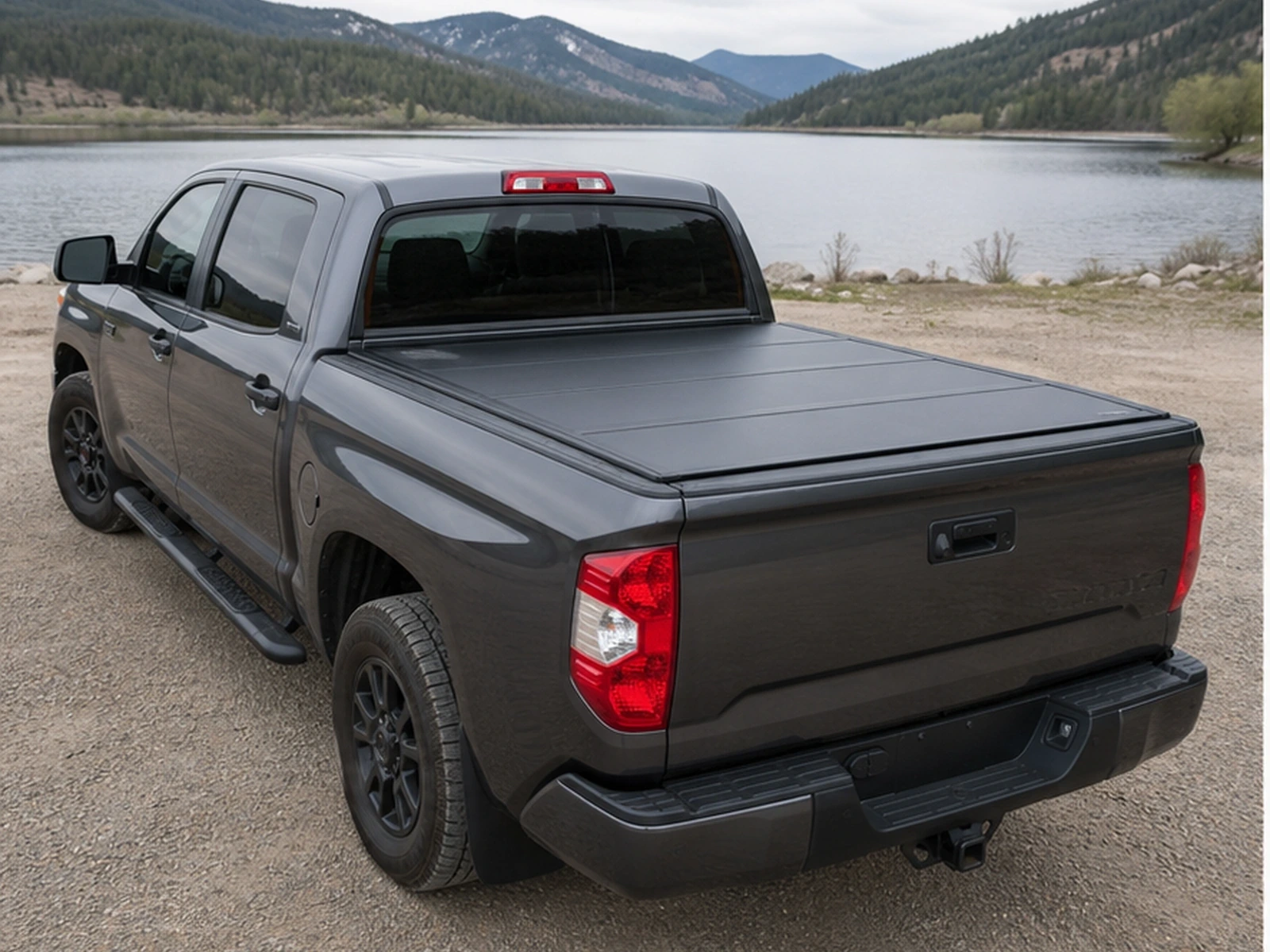
A hard-folding cover is a sensible match for a Toyota Tundra CrewMax with the 5.5-foot bed when the goal is everyday cargo security without giving up the entire box for a fixed cap. The BAKFlip G2 sits low between the bed rails, folds in sections for partial access, and can be secured upright when tall cargo needs nearly the full bed opening. Its aluminum-panel construction is more resistant to casual cutting than a soft roll-up cover, while the tailgate acts as the final access point when it is locked. That does not make the bed a waterproof safe. Seals and drain channels manage most rain, but water can still enter around the tailgate, bed corners, or an imperfectly aligned rail. The buying decision should therefore focus on exact truck configuration, rail alignment, and how often the owner carries cargo taller than the bedside. For a daily-driven Tundra, the cover works best as a weather-managing, sight-blocking barrier that converts quickly between closed, partially folded, and open-bed use.
Daily use and ownership
With the cover closed, groceries, tools, and luggage stay out of direct view and are better protected from sun and ordinary rain. Open the tailgate, release the latches from below, and fold only the panels needed for the load. This is useful for mixed cargo because part of the bed can remain covered while a tall item occupies the rear section. When the panels are folded upright, rearward visibility is reduced and the cover must be held by its support rods exactly as instructed. Do not drive with loose panels or depend on the folding straps for a position they were not designed to secure. Keep heavy objects tied to the truck's cargo anchors rather than to the cover or its rails. The top surface may tolerate distributed loads specified by the manufacturer, but it should not be treated as a workbench, seat, or tie-down structure.
Installation and setup
A careful installation begins with clean, undamaged bed rails and a level front bulkhead. Lay out the left and right rails, identify the Deck Rail System brackets if required, and loosely position every clamp before final tightening. The rails must sit parallel and at equal height; a small error at the cab end can become a large tailgate misalignment. Install the front seal only on the surface specified for the Tundra configuration. Route drain tubes to existing bed openings without kinks, sharp bends, or drilling into hidden wiring. Place the folded cover on the rails, fasten the front hinge hardware, then unfold it toward the tailgate. Adjust until both latches engage evenly and the tailgate closes without pushing the rear seal out of place. Tighten hardware in stages and use the stated torque or hand-tool guidance. After the first drive, recheck clamp position, panel tracking, and contact near the cab.
Care and maintenance
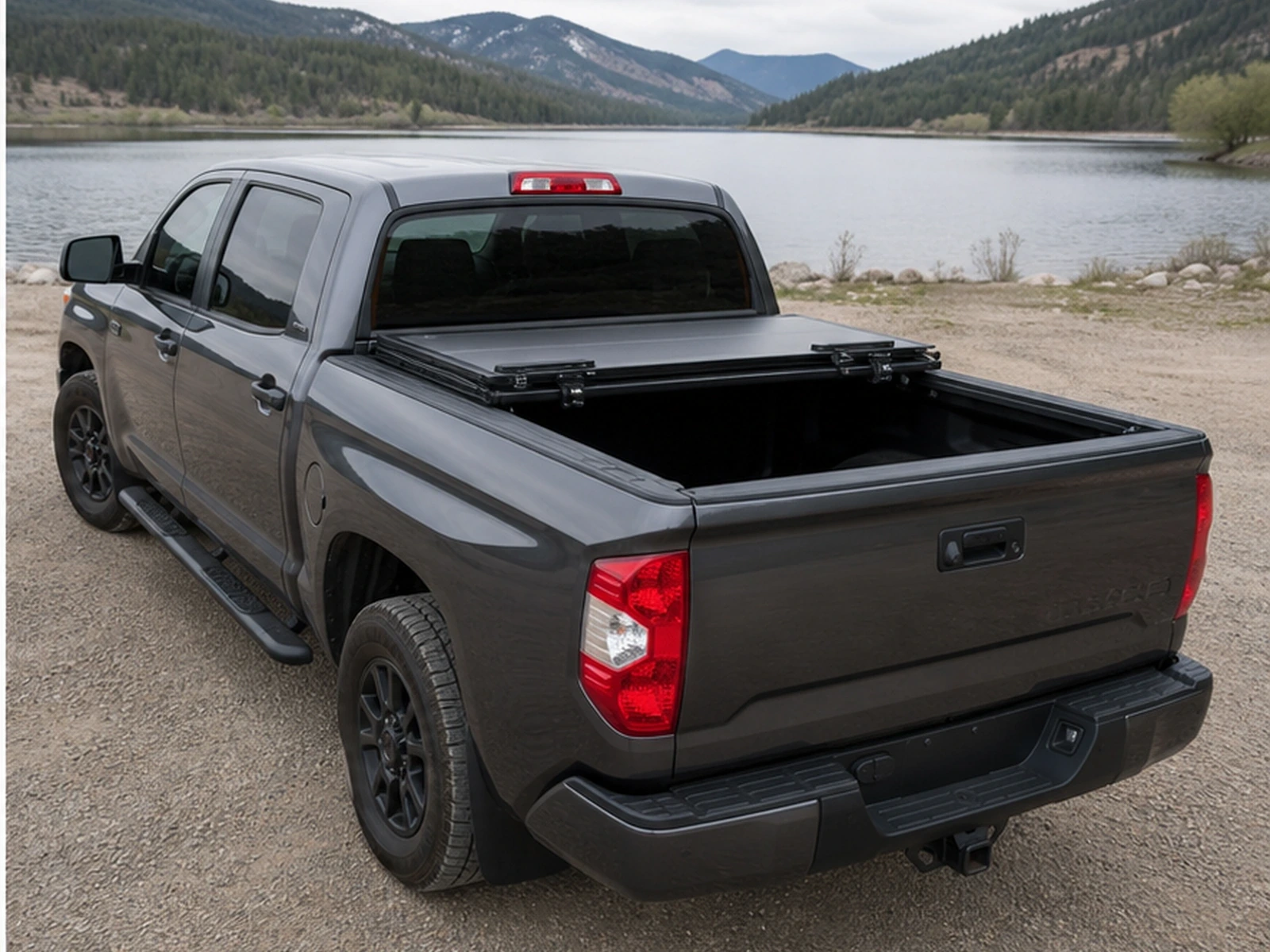
Wash the panels and seals with automotive soap and a soft mitt. Avoid petroleum dressings, abrasive compounds, and high-pressure spray directed under the panel edges. Clear leaves from the rail channels and verify that both drain tubes flow freely. Wipe grit from the underside latches before it builds into an abrasive paste. Check clamp tightness after rough roads, seasonal temperature changes, or removal of other bed accessories. Condition rubber seals only with a product approved for exterior automotive weather stripping. If one corner begins to leak, inspect rail height and seal contact before adding random adhesive foam.
Buy it when
- This cover suits a CrewMax owner who wants a low-profile hard barrier, regularly switches between protected cargo and tall loads, and is willing to verify the Deck Rail System hardware. It is a strong fit for commuting, road trips, and light work use where quick bed access matters.
Skip it when
- Choose another design if you need a completely unobstructed rear window with the bed fully open, routinely carry a cross-bed toolbox or rack that occupies the folding path, or expect a dustproof and watertight compartment. A soft roll-up cover may be simpler for frequent full-bed access, while a cap offers more enclosed volume.
Frequently asked questions
Does the 5.5-foot Tundra cover fit every CrewMax year?
No. Bed length is only one part of fitment. The model year, bedside design, factory Deck Rail System, and supplied bracket kit must all match the cover part number. Confirm the application before ordering rather than relying on the CrewMax name alone.
Can the factory Deck Rail System remain installed?
Often yes, when the cover kit includes brackets designed for that rail system. The hardware differs from a direct bedside clamp. Verify the kit contents and preserve enough rail clearance for any cleats or accessories you intend to keep using.
Will a hard-folding cover keep the bed completely dry?
It should manage ordinary rain when aligned and drained correctly, but no folding cover should be treated as a sealed trunk. Water can enter around the tailgate, front corners, damaged seals, or blocked drain tubes. Pack sensitive equipment in closed containers.
Can the truck be driven with the cover folded upright?
Yes only when the cover is in a manufacturer-approved open position and both support rods or retainers are correctly engaged. Confirm that the assembly cannot move, that the brake light remains visible, and that cargo is independently tied to factory anchor points.
Related fitment guides
- BAKFlip MX4 448410T for 2007-2021 Toyota Tundra 6 ft 7 in Bed
- Hard-Folding Tonneau Cover for 2005-2015 Toyota Tacoma 6 ft Bed
- BAK Industries Tonneau Covers and the Revolver X2 Hard-Rolling Design
Technical reference
Application and technical details were checked against RealTruck Tundra tonneau-cover application guide. Use the manufacturer application data and the vehicle’s own measurements as the final fitment check.