
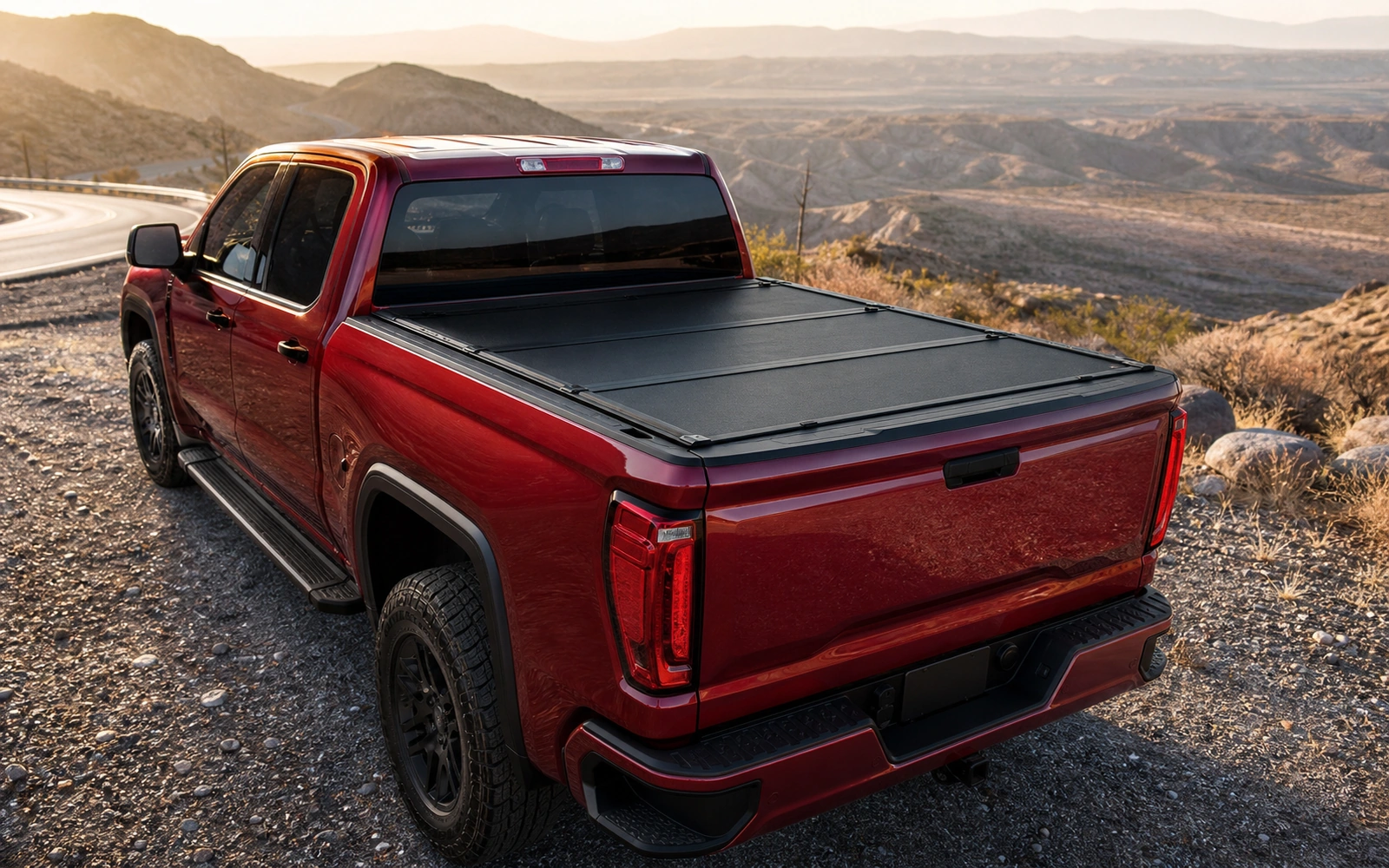
The BAKFlip G2 remains useful when the exact Silverado or Sierra bed application is verified first. Cab style, bed length, body generation, and factory bed hardware are the deciding details.
Fitment first
What to confirm before buying
Identify the truck by VIN, model year, cab style, bed length, and body generation. Measure the cargo box along the floor from the inside of the front bulkhead to the inside of the closed tailgate; do not estimate from the outside body. A nominal 5.8-foot short bed, 6.6-foot standard bed, and 8-foot long bed require different covers. During redesign periods, a previous-generation model may be sold beside a new-body truck, so compare the bedside, tailgate, and front bulkhead shape with the manufacturer's application notes. Verify whether the truck has factory cargo rails, a spray-in or drop-in liner, a multi-position tailgate, bed caps, a toolbox, sport bar, headache rack, or stake-pocket rack. Any of these can alter clamp access, seal contact, or the panel-folding path. Check that the chosen kit includes the correct rails and drain hardware. Do not transfer a cover from a 1500 to a 2500HD or 3500HD simply because the measured length sounds similar.
Product at a glance
| Vehicles | Chevrolet Silverado and GMC Sierra |
|---|---|
| Cover family | BAKFlip G2 hard-folding tonneau |
| Access | Partial fold or full bed access |
| Primary check | Exact model year, cab, body, and measured bed |
How this accessory works in practice
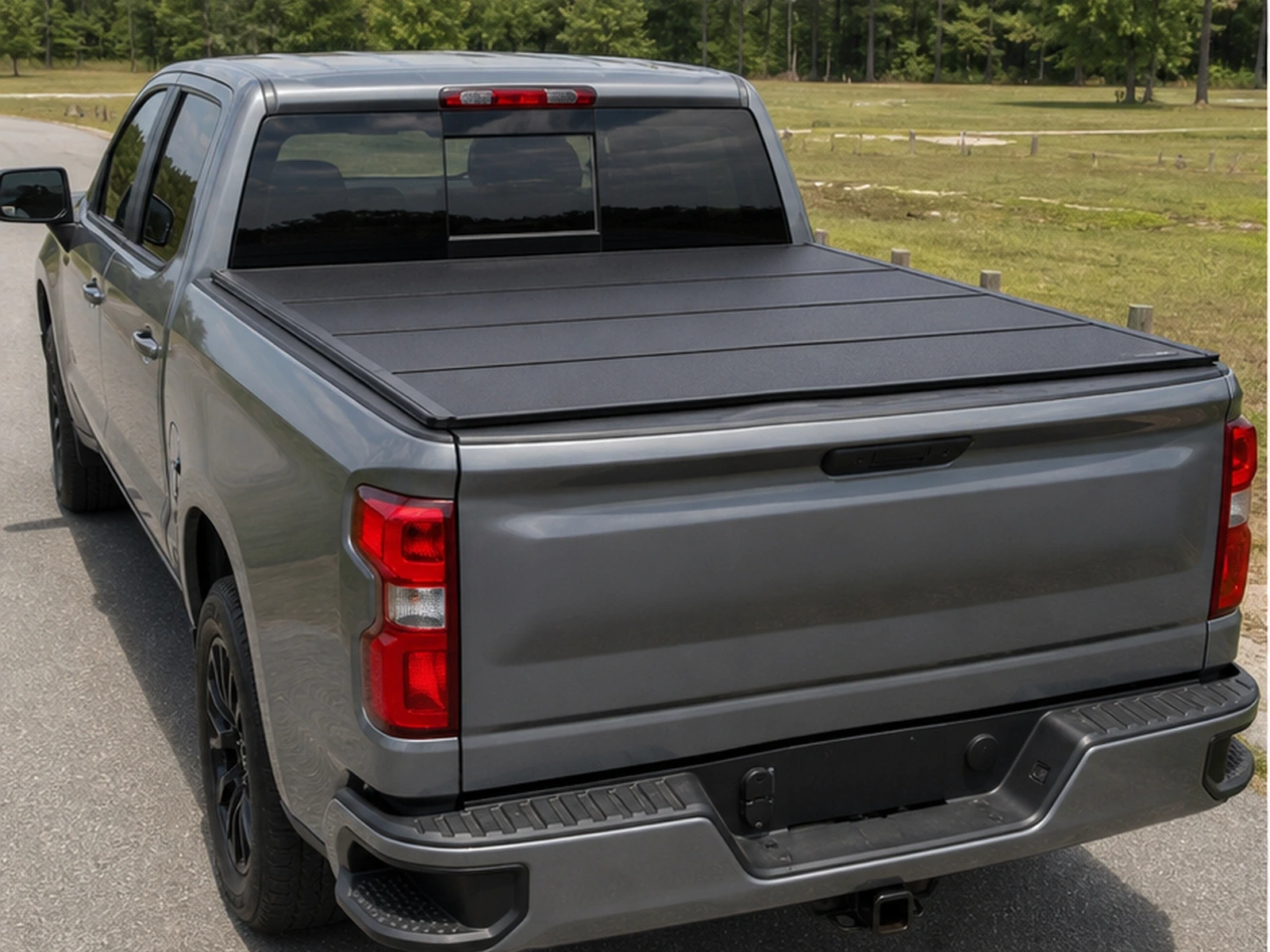
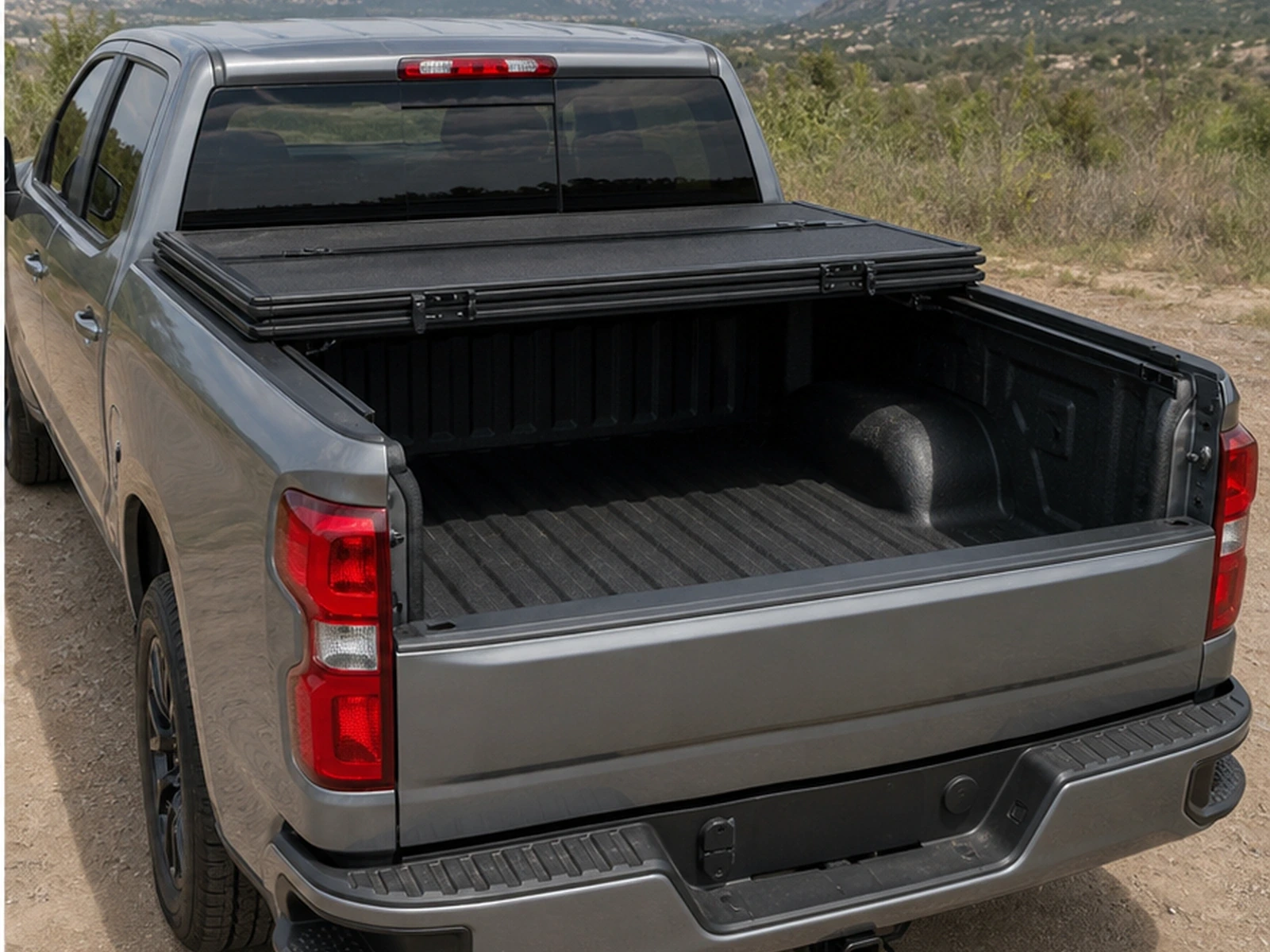
The BAKFlip G2 is a low-profile hard-folding cover for owners who want a Silverado or Sierra 1500 bed to remain useful for both protected daily cargo and occasional tall loads. Aluminum panels span between rails mounted inside the bed, so the cover does not create the bulky profile of a cap and usually leaves the outer bed rails available. With the tailgate locked, the release latches are concealed beneath the cover, which discourages quick access to tools or luggage. Folding the panels toward the cab opens the bed in stages; securing them upright provides nearly full cargo-box access without removing the assembly. The central limitation is fitment complexity. Silverado and Sierra trucks use several bed lengths, cab combinations, and body generations, and similarly named models can overlap during changeover years. A cover for a Crew Cab short bed is not interchangeable with one for a Standard Bed, Long Bed, HD truck, or a newer body sold alongside a carryover model. Exact measurements and the application part number matter more than the model badge.
Daily use and ownership
For commuting and travel, the cover keeps cargo out of direct sight and shields it from sun, wind, and most precipitation. The bed remains easiest to use when frequently needed items are placed near the tailgate, because opening the rear panel is faster than folding the complete stack. Tall cargo requires the panels to be folded and secured in an approved position. Expect reduced rear-window visibility when the stack is upright against the cab. Use mirrors and cameras accordingly, and never drive with a panel free to bounce. Cargo must be tied to bed anchors; the cover rails, straps, and prop rods are not load restraints. Dust and water can still enter around tailgate gaps, especially on unpaved roads, so electronics and paper records belong in sealed bins. If a load presses upward against the closed panels, rearrange it rather than using the latches to force the cover shut.
Installation and setup
Clean the bed caps and front bulkhead, then inspect them for dents or uneven aftermarket trim. Position the cover rails at matching height on both sides and install every clamp loosely before tightening. Use only hand tools and follow the specified sequence; over-tightening can distort a rail, damage a composite bed cap, or prevent the latches from aligning. Route the drain tubes through existing bed openings without pinching them or drilling near wiring and fuel-system components. Attach the folded cover at the cab end, unfold it to the tailgate, and center it before final adjustment. Both rear latches should engage with similar effort, and the tailgate should close normally beneath the rear seal. Confirm that the folded stack clears the cab and rear glass, that support rods lock positively, and that no hardware rubs through a liner. Recheck all clamps and latch cables after the first several trips because seals and brackets can settle.
Care and maintenance
Use normal automotive soap, water, and a soft cloth on the panels. Keep wax, solvent, tire shine, and abrasive polish away from textured finishes and rubber seals. Clear the rail channels and drain tubes whenever leaves or road grit accumulate. Clean latch pivots and cables, then use only the lubricant recommended by the manufacturer. Inspect panel hinges, bumpers, clamps, and prop-rod sockets after rough-road travel. Correct a leak by tracing its entry point and checking rail alignment; adding layers of generic foam can create new gaps elsewhere. Remove snow or concentrated cargo weight rather than allowing it to remain on the closed cover.
Buy it when
- Buy this style if you want stronger cut resistance than a soft cover, need staged bed access, and occasionally carry tall cargo without permanently removing the cover. It is particularly useful for a daily-driven half-ton truck whose bed alternates between luggage, tools, and weekend hauling.
Skip it when
- Choose a roll-up cover if rear-window visibility with a fully open bed is essential, or a cap if you need tall enclosed storage. Skip this installation when a toolbox, rack, or specialty tailgate conflicts with the folding path and no compatible mounting solution is documented for the exact truck.
Frequently asked questions
How do I determine the correct Silverado or Sierra bed length?
Measure inside the cargo box at floor level from the front bulkhead to the closed tailgate, then compare that measurement with the cover application guide. Cab style alone is not enough, and exterior bedside measurements can be misleading.
Does locking the tailgate secure the cover?
A locked tailgate normally blocks access to the underside release latches, which improves casual theft resistance. It does not turn the bed into a safe. Determined entry, tailgate gaps, and exposed cargo-box structure still require sensible storage and insurance precautions.
Can the G2 be used with a bed liner?
A spray-in liner generally causes few problems. A drop-in liner may cover clamp surfaces or drain openings and can require careful trimming according to the installation instructions. Never cut until the rail and clamp locations have been test-fitted.
Why does water enter even when the panels are closed?
Common causes include uneven rails, a poorly seated front seal, blocked drain tubes, debris under a seal, or normal gaps around the tailgate. Inspect alignment first, clean the channels, and test with controlled water flow instead of assuming every wet area comes through a panel.
Related fitment guides
- BAKFlip G2 26121 for 2014-2015 Silverado 1500: Legacy Fitment Guide
- BAKFlip F1 772101 for Silverado and Sierra 6 ft 6 in Bed
- Bak Industries Bakflip tonneau cover for 2007 – 2017 Toyota Tundra 5-1/2 Foot Bed
Technical reference
Application and technical details were checked against RealTruck BAKFlip G2 application guide. Use the manufacturer application data and the vehicle’s own measurements as the final fitment check.